
Season 2, Episode 7: Data Sovereignty and Storytelling: Rethinking Indigenous Health Research with Dr. Jennifer Walker
In our last episode, we unpacked the power of administrative health data—what it shows us and how it shapes population health research. But these datasets only capture what they’re built to measure, and for Indigenous communities, that has often meant critical gaps in representation and control.
Today, we continue the conversation with Dr. Jennifer Walker, a Haudenosaunee researcher from Six Nations of the Grand River and Canada Research Chair in Indigenous Health at McMaster University. As Indigenous Health Advisor at ICES, she is leading efforts to rethink how Indigenous health data are governed and used.
We explore her recent study in the Canadian Medical Association Journal on diabetes among First Nations peoples in Ontario—work that reveals both the strengths and the limits of administrative data. More importantly, we ask a deeper question: when data are collected about a community, who owns them, and who decides how their story is told?
Dr. Walker challenges us to move beyond extractive research models toward true partnership, data sovereignty, and self-determination. It’s a critical conversation about equity, accountability, and the future of health research.
Papers & Resources That We Touched On In This Episode:
- Dr. Walker and her research program (ICES)
- Dr. Walker: MIRI Researcher
- OCAP
- Operationalizing the CARE and FAIR Principles for Indigenous data futures
- Chandler & Lalonde: Cultural Continuity as a Hedge against Suicide in Canada's First Nations
- Series of papers published by Dr. Walker in partnership with the Chiefs of Ontario on inequities in diabetes among First Nations people on Ontario
- Cultural and contextual relevance of the Indigenous data in the Canadian longitudinal study on aging
- Wellness in the Face of Frailty Among Older Adults in First Nations Communities
Guests
-
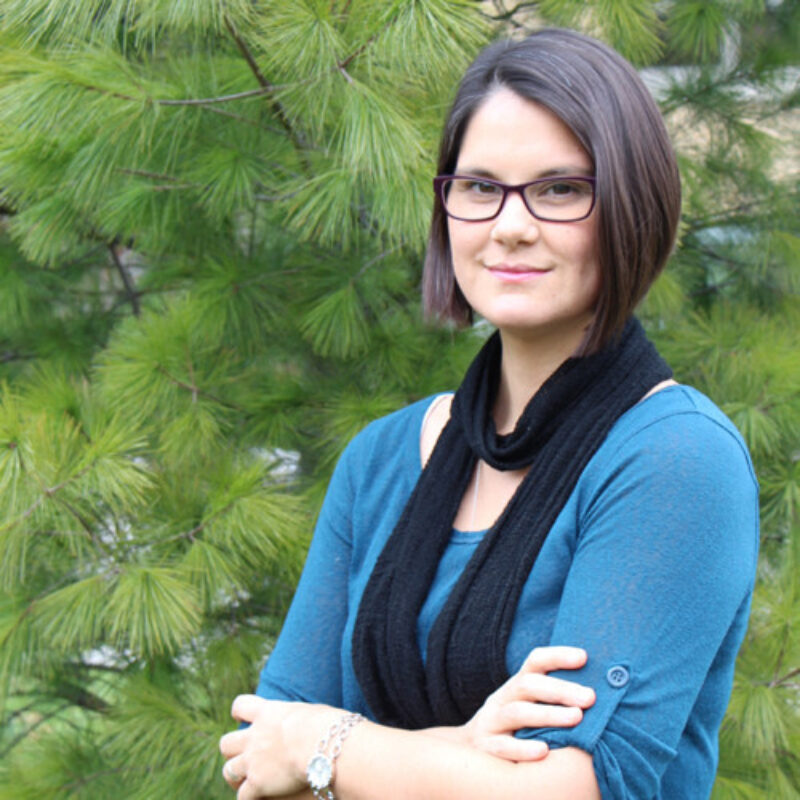
Dr. Jennifer Walker
Dr. Jennifer Walker is a Haudenosaunee member of Six Nations of the Grand River and a leading Indigenous health services researcher in Canada. She is a Canada Research Chair in Indigenous Health Data and Aging and Professor in the Department of Health Research Methods, Evidence and Impact at McMaster University.
Trained as an epidemiologist with a PhD in Community Health Sciences from the University of Calgary, Dr. Walker’s work centers on Indigenous data sovereignty and the community-led use of health and health services data across the life course, with a particular focus on aging and dementia. She collaborates closely with Indigenous organizations to ensure research reflects community priorities and supports self-determined health planning.
A nationally and internationally recognized leader in dementia research, she co-leads the Indigenous Cognitive Health Program within the Canadian Consortium for Neurodegeneration in Aging and has advanced culturally safe approaches to prevention and diagnosis—including validating and implementing the Canadian Indigenous Cognitive Assessment tool and leading transformative work to decolonize wholistic brain health assessment.